Where we work
Blinds in King City
King City blinds, shades and curtains planned as part of a room's balance. One wall may need gentle daylight while another needs a stronger evening barrier. Discuss those separate jobs during a free measure at home.
Blinds Company · Rated 4.8 out of 5 on Google
Free in-home measure · open 8am–9pm, 7 days
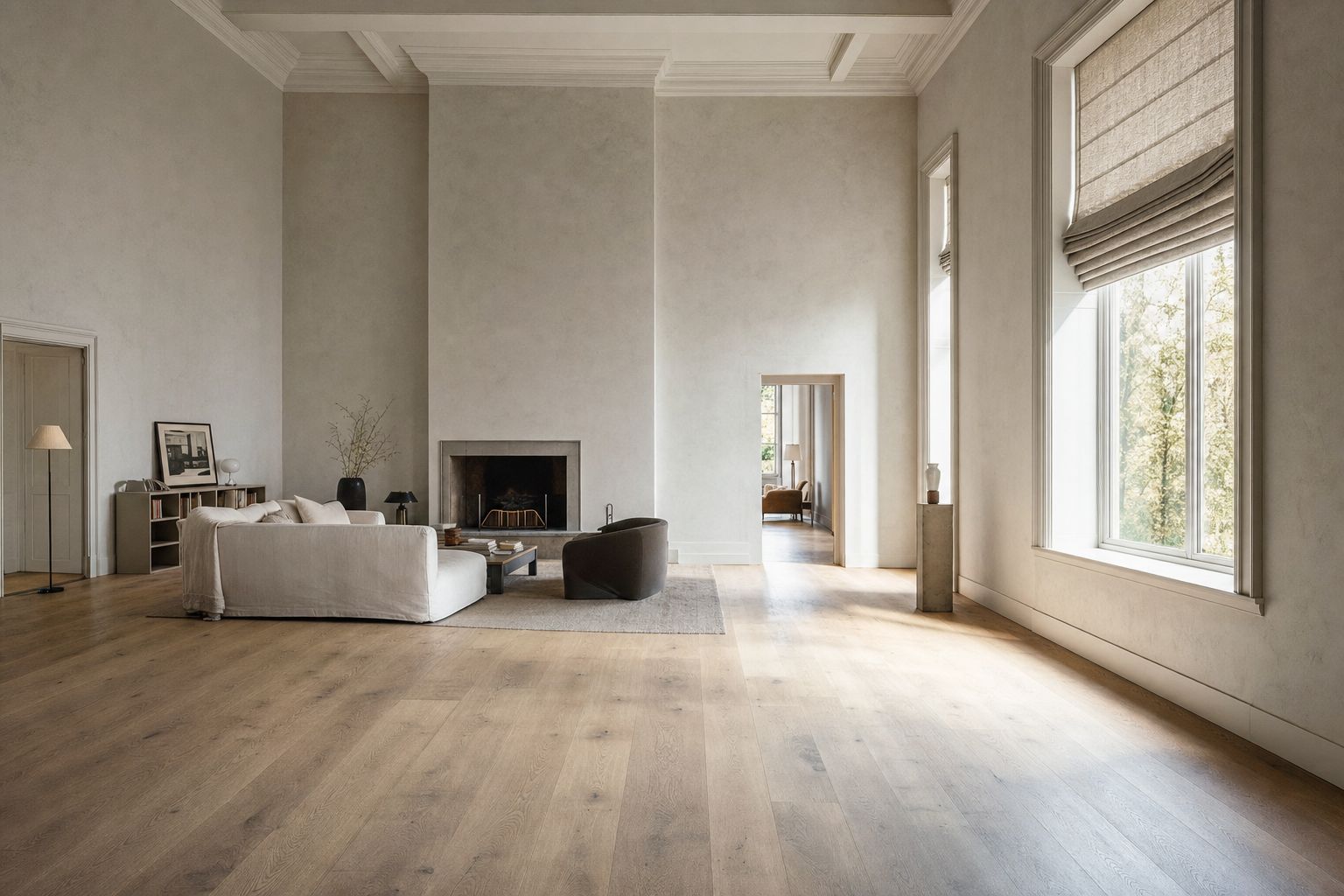
Room illustration, not a photograph of work in this city.
- Separate walls
- Similar-looking windows can support different activities.
- Shared palette
- Related materials can connect different levels of opacity.
- Useful controls
- Reach and daily adjustment belong in the fitting discussion.
- Your opening
- The free visit compares preferences with the actual window.
In short
King City is included in the home-measuring service area. The free Blinds Company visit covers measuring and discussing materials and fitting in your rooms. Begin with the seats, activities and views each window serves, then decide which choices should connect visually.
Inside this pageJump to one of 8 topics
Draw a room map made of activities
Before a King City measure, make a simple map of what happens in the room. Put the reading chair, the television seat, the desk and the route to a door into words. Then connect each activity to the window that affects it. You are identifying useful relationships, not producing an architectural plan. This helps the covering choice respond to the people in the room rather than only to a symmetrical wall.
The exercise can reveal why a single uniform specification feels unsatisfactory. One opening may provide the view you value, while another reflects onto equipment. One side may feel exposed when the lamps are on, while the opposite side only needs softer daylight. Those are different jobs. Giving them separate names makes it possible to discuss related materials without asking every window to behave identically.
Blinds Company includes King City in its home-measuring service. Blinds Company offers a free home visit to measure and compare fabrics and fitting at your openings. Tell us which activities happen beside the glass and which view you want to preserve. The roman-shade illustration shows fabric proportions in a room; it does not establish a local installation or the requirements of your own property.
Let the work wall answer the work problem
For a desk, identify the window that causes the reflection from the position where you sit. It may be beside you, behind the equipment or behind you during a video call. These arrangements create different questions. A comfortable amount of daylight for reading paper can still be an unhelpful bright background for a camera. Explain the actual activity before choosing the opacity.
The useful adjustment may involve only part of the glass. Covering a troublesome section can preserve daylight elsewhere, depending on the frame and fitting options. A filtering cloth can be compared with a more complete closure, but neither should be promised as a solution without the room’s arrangement in view. The goal is to give the work area enough usable light without keeping the reflection that interrupts it.
Control access belongs in the same decision. If the desk is deep or storage stands beside the opening, a manually operated covering may be awkward from one side. Show the final furniture layout during the measure. The commercial-blinds page introduces work-related questions, and roller blinds provide one movement to compare. Your seat and equipment determine which questions actually matter.
Give the view wall a different starting point
A window you mostly look through should be assessed by the outlook you want to retain. Decide which part of the view matters and at what times. You may want to see the lower landscape, the sky above it or simply the changing brightness. This gives the open and partly covered positions a purpose. The strongest closed setting is only one part of the comparison.
Where there are several panes, think about independent movement. A section near the sofa might remain raised while another controls the light at a table. The frame’s divisions and suitable mounting positions influence the practical arrangement. Consider where the gaps would appear and whether they align with existing frame members. A broad uninterrupted blind and several smaller controls are choices with different uses, not a universal better-and-worse ranking.
The raised stack also affects the view. Roman folds, gathered slats and roller tubes occupy the upper opening in different ways. Curtains move their fabric to the side, where the room must make space for it. State which part of the clear window you wish to preserve, then compare those gathering positions. A fabric you enjoy looking at should still have a sensible open home.
Keep the family resemblance without identical performance
A room can feel coordinated through colour, texture or line. Start by choosing which of those relationships matters. If matching the outward-facing appearance is important, discuss that surface separately from the material seen inside. If a related texture is enough, a room may have more freedom to vary opacity. These are specific preferences that can be compared with samples, rather than treated as vague demands for everything to match.
Backlighting can alter an apparently similar colour. One fabric may have an open weave and another a solid backing, creating different appearances against bright glass. View the materials together near the finishes that will remain in the room. A floor or established wall colour can be a better reference than a temporary accessory. An online palette is useful for expressing an idea but not for verifying an installed match.
Allow each opening to keep the performance its activity needs. The work wall can filter daylight differently from the evening seating area while both remain visually related. Blinds, roman shades, curtains and drapery are in the confirmed range, so more than one mechanism can be considered. The connection between them should serve the room instead of becoming a reason to force one unsuitable fitting everywhere.
Treat evening closure as another room setting
When the interior lights come on, the light balance at the glass changes. A material that kept a pleasant view during the day may offer less privacy than you expect against dark outside space. State the closure you want in concrete terms. Do you want to obscure movement, feel screened from a neighbouring sightline or close the room more fully? Those goals influence the fabric discussion.
If a second layer would have a distinct role, identify it. A daytime screen and an evening curtain can be considered together where the fitting space suits them. However, gathered fabric should not interfere with furniture or a route through the room. Each layer needs both a job and a place to go when open. More material is not an improvement if it creates another everyday obstacle.
A bedroom adds a light-at-the-edges question. An opaque surface does not establish that every gap around the covering is closed. Discuss mounting and overlap against the actual frame if darkness matters. The blackout-blinds page explains the cloth’s role, while the visit connects it with the perimeter. The result should be described honestly instead of promising complete darkness from the material name alone.
Decide which adjustments should be shared
In a room with several coverings, explain whether you want to operate them separately, together or in a small number of groups. These are different control goals. A row can share a visual line without always moving in unison. Conversely, coordinated operation may matter more than exact matching height in a room where the openings differ. Choose the useful action first.
Motorized and smart home blinds are part of the service list. Their particular power, control features and compatibility need to be confirmed for the selected system. Name the equipment you already use and the routines you hope to simplify. This page does not promise that every motorized product connects to every controller or provides every grouping feature.
Later access also belongs in the discussion. A high opening or a fitting behind furniture can affect installation and maintenance even if daily movement is remote-controlled. Include the surrounding room in a photograph when explaining difficult reach. If heat-producing equipment is nearby, follow its applicable clearance instructions and the relevant material requirements for the equipment beside your opening.
Give each window a role in the same room
Name the opening by the activity beside it
“Reading chair”, “desk” and “door route” are useful labels when several windows share a room. They describe why an opening needs a particular movement without assuming that every pane must be covered in the same way. Mark those labels on a rough sketch, then show the seat and the direction you normally look. An attractive common colour can connect the room even when the useful positions differ.
Check the view when the covering is raised
Look at the top of the glass and the space to either side. Fabric folds, a lifted slatted stack and a gathered curtain remain visible when open. Compare that resting position from the activity you just named. A fold that sits comfortably above a dining view might be more noticeable from a lower chair. The opening’s role gives that comparison a practical reference point.
Bring the sketch to the measure as a starting point, not an order sheet. The actual dimensions and mounting space still need to be considered at the windows. Its purpose is to keep the choices related to the room’s activities. You can then discuss a coherent appearance alongside the different jobs the openings do through the day.
Take the room map to the free measure
Your short activity map gives the appointment a useful order. Start with the most troublesome relationship between a window and a seat, screen or doorway. Then explain the view you want to keep and the appearance you want to connect across the room. We measure at home and discuss fabrics and fits where they will be used. A complete product schedule is not required before the conversation can begin.
Blinds Company has 5+ years in business and is licensed and insured. The home-measuring visit is free. Keep the selected fabrics and the agreed fitting with your proposal. The installation date for agreed work is confirmed in writing at the quote. A room photograph can help explain a visual decision, but it cannot settle those details for your own openings.
To book the measure enquiry, describe the King City room and the windows whose jobs differ. The aim is a room with useful settings for work, rest, views and evening privacy, connected by the appearance you prefer. Let the openings keep their individual requirements while the whole room feels planned together.
The rest of the range
Everything else we fit in King City
Winds onto a tube
Tilts to aim the light
Folds up out of the way
Slides across the opening
And the fitting itself
Before you call
Questions worth answering before you book.
Should every window in one room use the same cloth?
Begin with what each window does. A wall beside a work surface and a wall facing a view can ask for different degrees of filtering. Materials can then be compared for a related appearance. The important distinction is between a visual relationship you want and identical performance you may not need. Matching should make the room feel coherent without removing useful differences between its openings.
What if the room is used for work and relaxation?
Describe the two arrangements, including where the screen and seats are. A setting useful for a desk may be too closed for the view from the sofa. Independent adjustment or a fabric with a suitable intermediate role can be discussed. Give the competing uses their own names before choosing a single darkest setting and expecting it to answer both.
Can two fabrics look coordinated while having different backings?
They can be considered together, but see the real samples in the room. A backing, weave or texture can change how an apparently similar colour looks with daylight behind it. If outward appearance matters, inspect that side too. A coordinated proposal should be based on the actual materials rather than a shared colour name on a product list.
What does a control-system discussion need from me?
Explain the action you want to make easier and name any equipment you already use. Independent adjustment, shared routines and connected operation are different features to confirm. Power and later access remain relevant even when a motor handles everyday movement. There is no need to choose an integration solely because a room contains a tall window; start with the useful action.
The last chapter
We bring the samples to your windows.
We come to you, measure at your own windows, and go through fabrics and fits together. The visit costs nothing.
$99 off when you order three or more blindsApplied to your written quote at the measure.
Rather just talk?(437) 782-5452Answered 8am–9pm, 7 days
Free in-home measure
Which windows should work together in your King City room?
Answered 8am–9pm, 7 days.
Page last checked 1 October 2026.